Lenovo ThinkCentre M90a vs. Dell Optiplex 3080 Micro
Here is a side by side comparison between Lenovo ThinkCentre M90a and Dell Optiplex 3080 Micro specs including price, processors, memory, graphics, storage, ports, and more.
1080p, with ThinkShutter (physical switch on/off).
Optional Windows Hello IR support.
Audio
High Definition (HD) Audio, Realtek® ALC233 codec
2 x 3W stereo speakers.
Dolby® Atmos® Speaker System.
Dual array microphone.
One 2W Speaker (optional)
Audio controller
Realtek ALC3246
4 Channel High Definition Audio
Intel HDA (high-definition audio)
External Ports
1 x Universal Audio Jack
Front
1 x Audio port
Line-out audio port with re-tasking to Line-in (Rear).
Misc
Lenovo ThinkCentre M90a
Dell Optiplex 3080 Micro
Sensors
IR Camera
Security
Security Chip
Discrete TPM 2.0, TCG certified
Physical Locks
Kensington® Security Slot
Chassis Intrusion Switch
Chassis intrusion switch
No chassis intrusion switch
Fingerprint Reader
Touch style fingerprint reader on mouse
No fingerprint reader
Other Security
Optional ThinkShutter camera cover
BIOS Security
Administrator password
Power-on password
Hard disk password
Boot sequence control
Boot without keyboard and mouse
Self-healing BIOS
Smart USB protection (allows keyboard/mouse only, blocks all storage devices)
Individual USB port disablement
Warranty
1-year depot service
1-year limited onsite service
3-year limited onsite service
No base warranty
3 Years Hardware Service with Onsite/In-Home Service After Remote Diagnosis
Lenovo ThinkCentre M90a vs. Dell Optiplex 3080 Micro
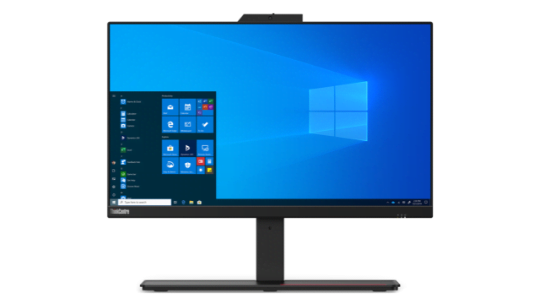
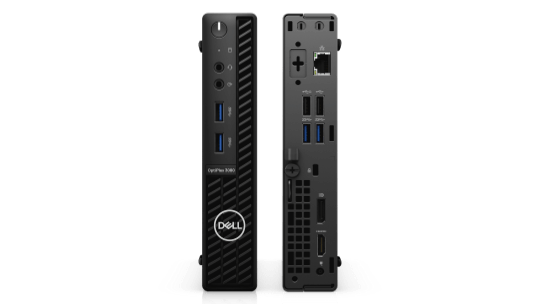
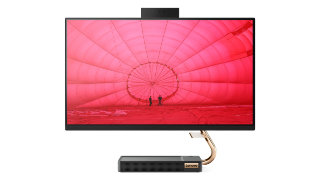
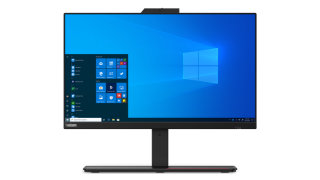
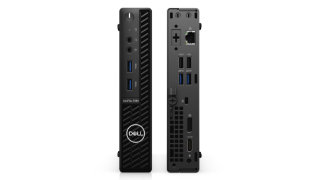
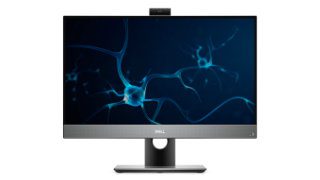
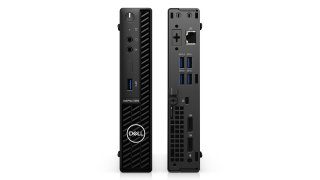
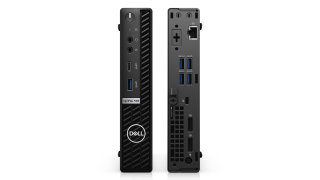
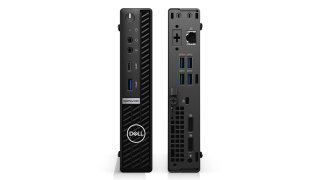
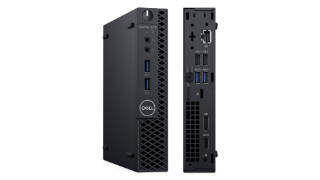
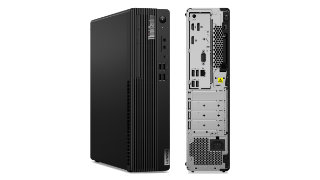
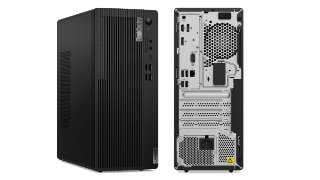
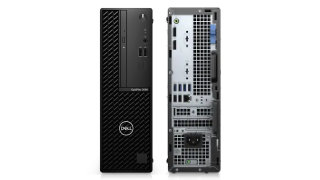
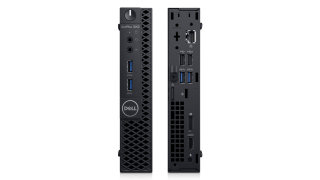
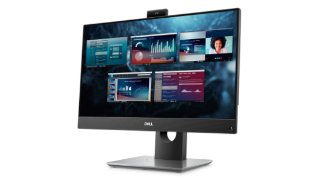
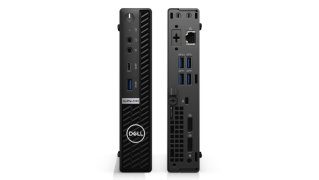
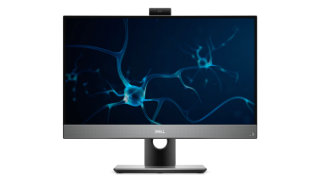
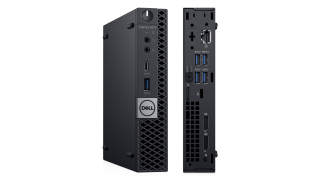
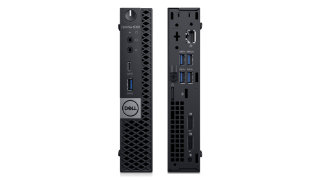
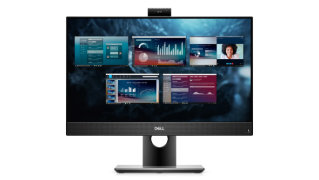
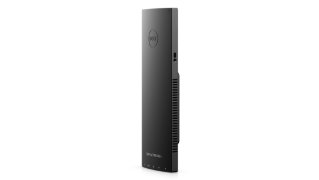
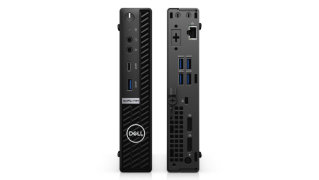
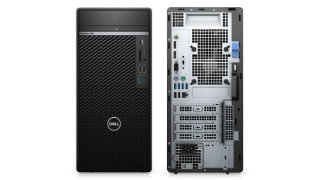
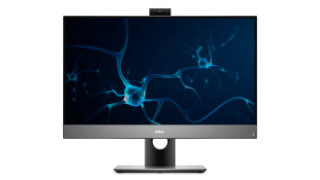
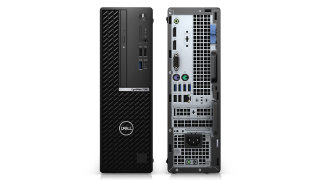
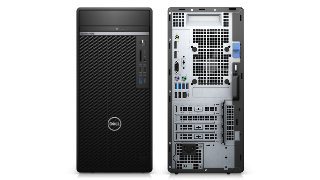
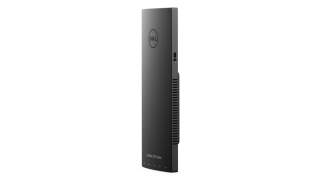
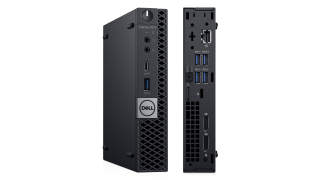
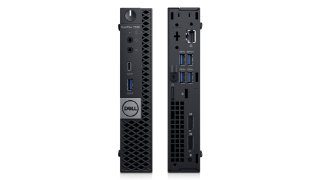
The Lenovo ThinkCentre M90a and the Dell Optiplex 3080 Micro were released in the same year, 2020. The Lenovo ThinkCentre M90a has an all-in-one form factor that combines all components and a built-in monitor into one package. The Dell Optiplex 3080 Micro has a micro form factor that can only fit a custom-designed motherboard with none or one expansion slot and supports only a specific OEM graphics card.
Processor
The Central Processing Unit (CPU) is like the brains of your desktop computer. Its performance determines how fast and responsive your PC is. Generally, a processor with newer architecture, more CPU cores, higher TDP (measured in W), and faster clock speed (measured in GHz) tends to be more expensive and run faster than others with older architecture, fewer CPU cores, lower TDP, and lower clock speed.
For Lenovo ThinkCentre M90a, you have options to configure it with a 58W 10th Generation Intel Comet Lake dual-core Intel Celeron G5900 up to a 65W 10-core Intel Core i9-10900 with a boost speed up to 5.20 GHz.
While Dell Optiplex 3080 Micro has configurations with a 35W 10th Generation Intel Comet Lake dual-core Intel Celeron G5900T up to a 35W 8-core Intel Core i7-10700T with a boost speed up to 4.50 GHz.
Memory
The Random Access Memory or RAM is the super-fast and temporary storage used to handle all active tasks, apps, and games that will go away when your PC turns off. The more memory your PC has, the better multitasking your PC can handle without having to reload data from slower permanent storage that includes the hard disk drive or solid-state drive.
Both PCs have the same amount of two RAM slots meaning that you upgrade later if you are unsatisfied with the amount of memory on your PC. You can upgrade memory on both systems up to 64GB of 2933MHz dual-channel DDR4 memory.
Ports
Computer ports are the interface for connecting your PC to its peripheral devices or other PCs. The most common peripherals are keyboard, mouse, monitor, flash drive, speaker, and printer. Most of them use Universal Serial Bus (USB) as their connection to your computer. So the PC with more USB ports can connect to more peripherals at the same time.
There is a total number of 7 USB ports available on the Lenovo ThinkCentre M90a, one more than the Dell Optiplex 3080 Micro that has only 6 USB ports. On top of the number of USB ports, the type and version of each USB port are also necessary for determining how fast it is.
The Lenovo ThinkCentre M90a has six USB Type-A ports and one USB Type-C port. It has five ports that support USB 3.2 Gen 1 (5 Gbps) and two ports that support USB 3.2 Gen 2 (10 Gbps).
For Dell Optiplex 3080 Micro, it has six USB ports that all of which are USB Type-A. The PC has two ports that support USB 2.0 (480 Mbps) and four ports that support USB 3.2 Gen 1 (5 Gbps).
Pricing
Motherboard
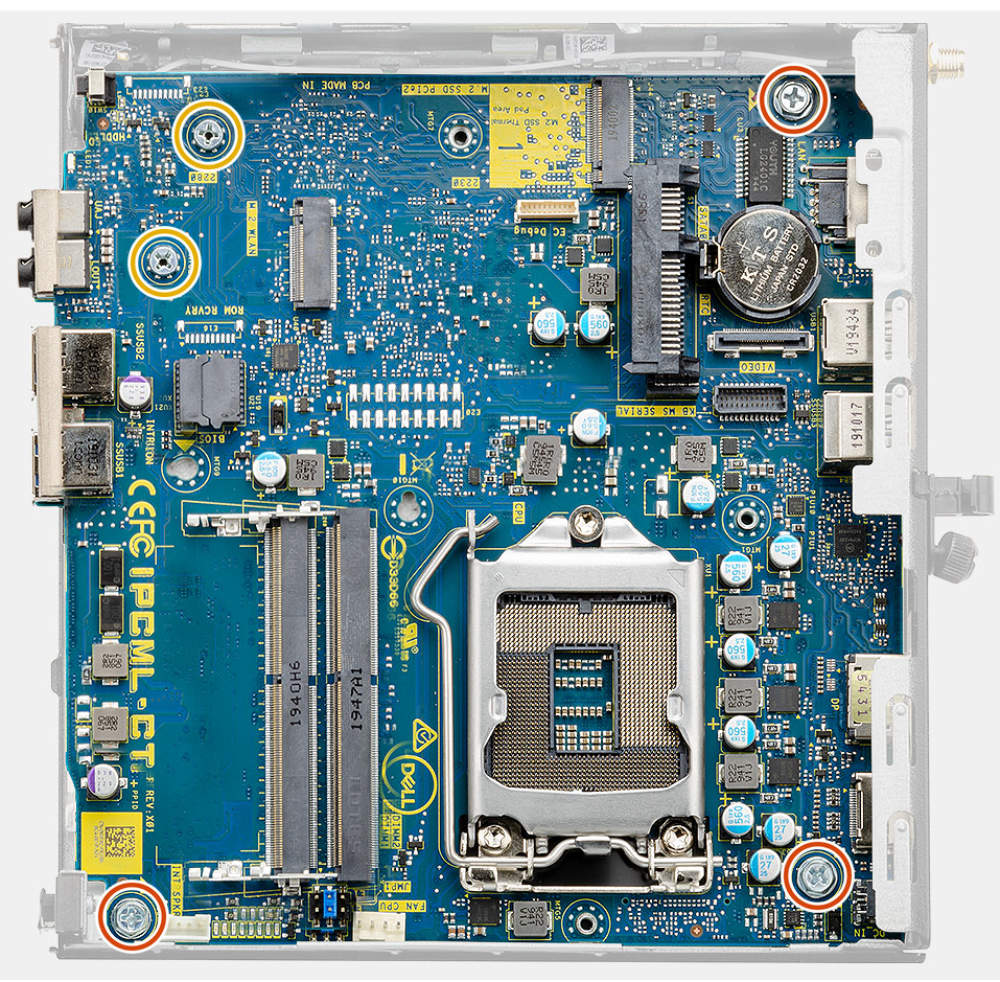
Dell Optiplex 3080 Micro System Board.
Source: Dell
Popular Comparisons for Lenovo ThinkCentre M90a
Here are the most frequently requested comparisons for Lenovo ThinkCentre M90a: